Quick answer
Choose artifacts by content, not by one universal rank.
Use the overall chart as a shortlist. Then move to the content chart: Chapter Hunt, Stage Breakthrough, Bossing, Arena, dungeons, Guild War, or Guild Conquest. Rumii's updated artifact batch has 11 charts, and the same artifact can be excellent in one setup and mediocre in another.
Overall tiers
The overall chart is a starting point, not a bible.
The source thread itself warns players not to treat the artifact tier image as absolute. That is the right framing: overall tiers help decide which artifacts deserve attention, but content and account stage decide what to equip.
If an artifact is high overall, test whether its effect helps the exact preset you are using. If it is low overall, it can still have a narrow job in Chapter Hunt, Arena, or a specific clear.
- Do not read left-to-right order inside a tier as a ranking unless the source says so.
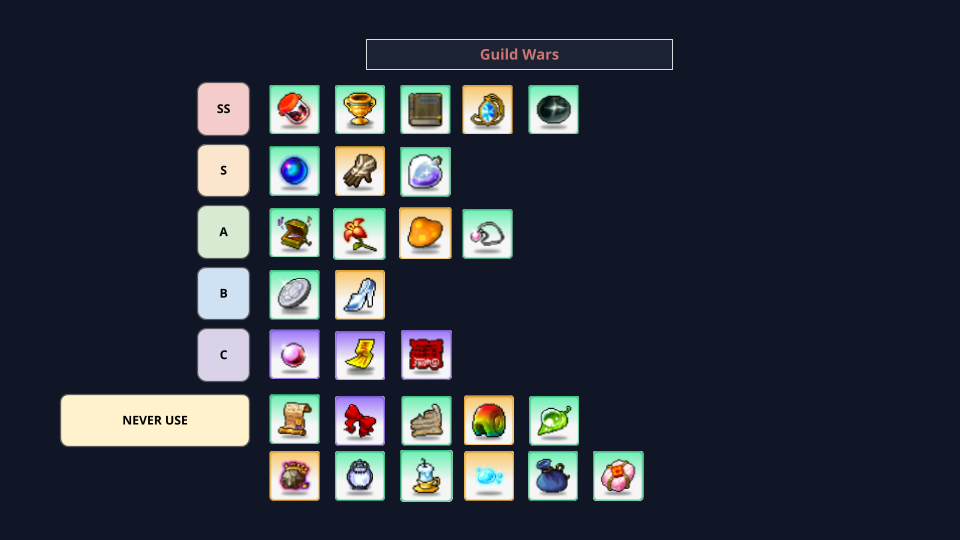
- Comments on the Guild War chart specifically said within-tier order can change by stats.
Chapter Hunt
Chapter Hunt priority is KPM first.
This section is MSI's Chapter Hunt route. The priority is always Monsters Kills per Minute, because this preset exists to improve repeated auto-hunt returns, not boss burst or CP.
- Use Chapter Hunt charts when the goal is KPM, not boss damage.
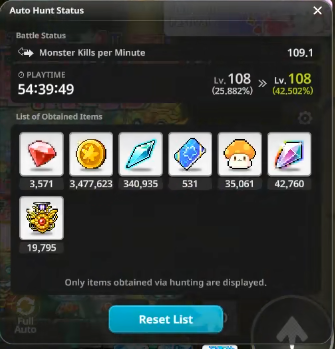
- Check the Auto Hunt Status screen after swaps; higher KPM is the win condition.
- Treat Accuracy-fix artifacts as temporary patches, not a full progression plan.
- If you miss constantly, compare a lower chapter hunt instead of forcing the same map.
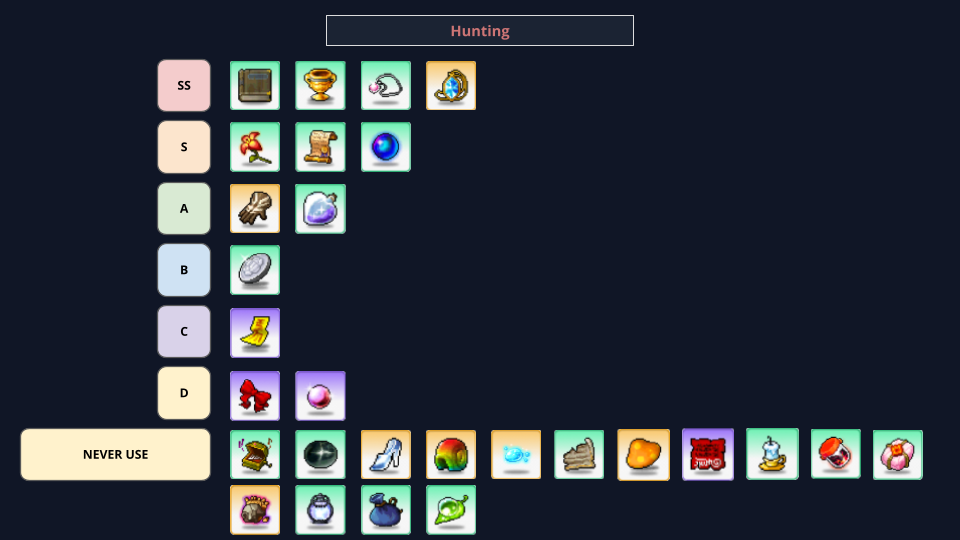
* Book of Ancient is ranked high because it helps cap Crit Rate, but it is less effective once you already reach 100% Crit Rate without it.
Stage Breakthrough
Stage Breakthrough means XX-1 to XX-9 clears.
This section is MSI's Stage Breakthrough route: the XX-1 to XX-9 path where regular mobs and the final target both matter. Comments called out high-ceiling combinations such as Bottle of Emotion with Athena Gloves, especially once accounts have higher CP and more artifact slots.
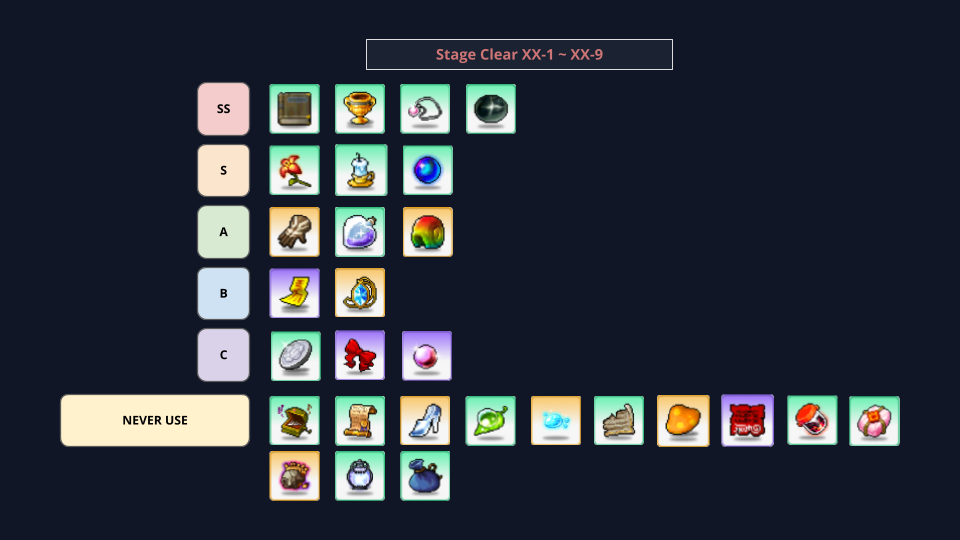
* Book of Ancient is ranked high because it helps cap Crit Rate, but it is less effective once you already reach 100% Crit Rate without it.
Bossing
Boss artifacts should support XX-10 single-target consistency.
Bossing uses a different artifact lens than Chapter Hunt or Stage Breakthrough. Prioritize artifacts that help the boss target die within the timer, then compare them with the full boss preset, companion setup, and stat buckets.
- Do not import Chapter Hunt priorities into XX-10 bossing without a boss test.
- Pair artifact testing with the companion setup, not with CP alone.
- If a boss clear is close, compare repeated runs because proc timing can swing results.
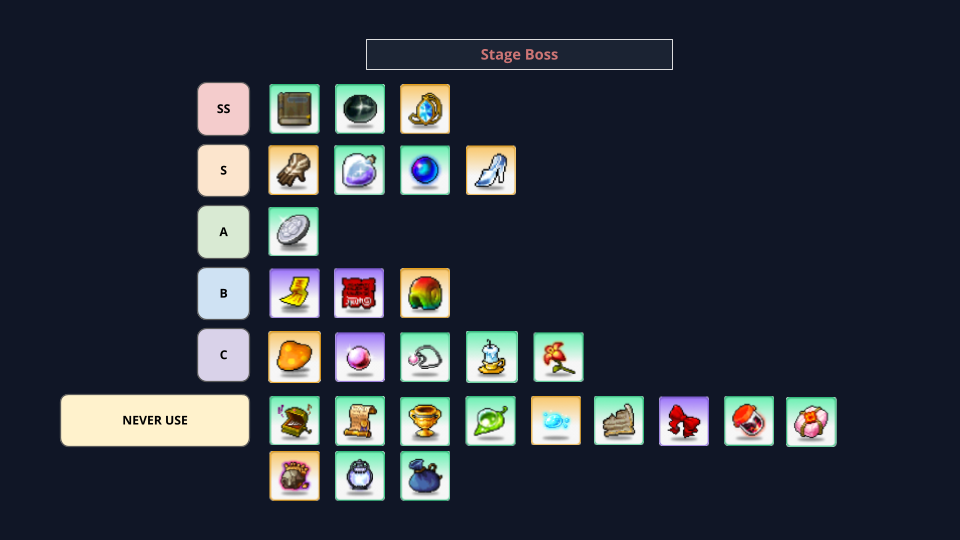
* Book of Ancient is ranked high because it helps cap Crit Rate, but it is less effective once you already reach 100% Crit Rate without it.
Arena
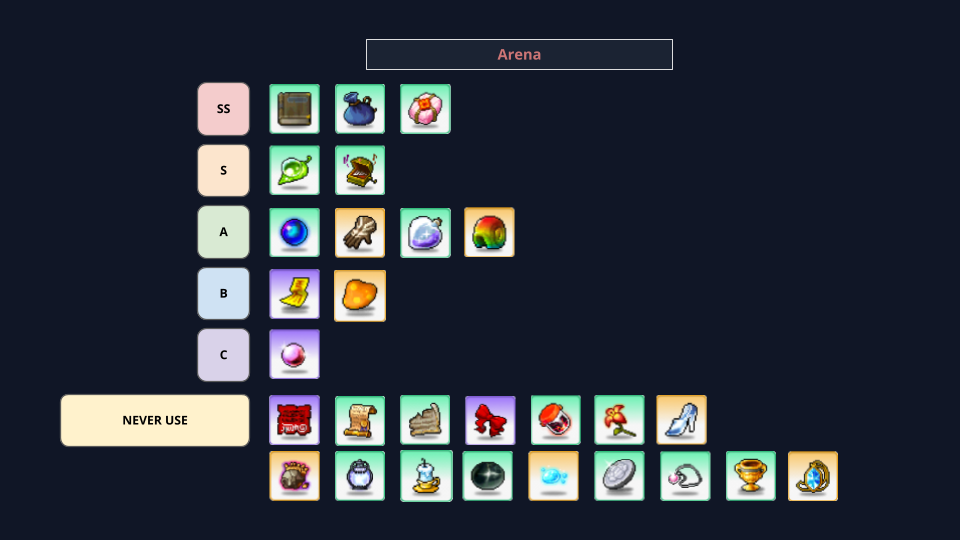
Arena artifacts are matchup and variance tools.
Arena artifact discussion has more variance than a normal PvE chart: players questioned Lava Bottle, Jar, Candle, Snail, Peach Pouch, and Lunar Dew depending on crit rate, RNG, survival windows, and matchup.
A high overall artifact is not automatically better than a narrow artifact that directly wins the Arena matchup.
* Book of Ancient is ranked high because it helps cap Crit Rate, but it is less effective once you already reach 100% Crit Rate without it.
Hero Training Ground Dungeon
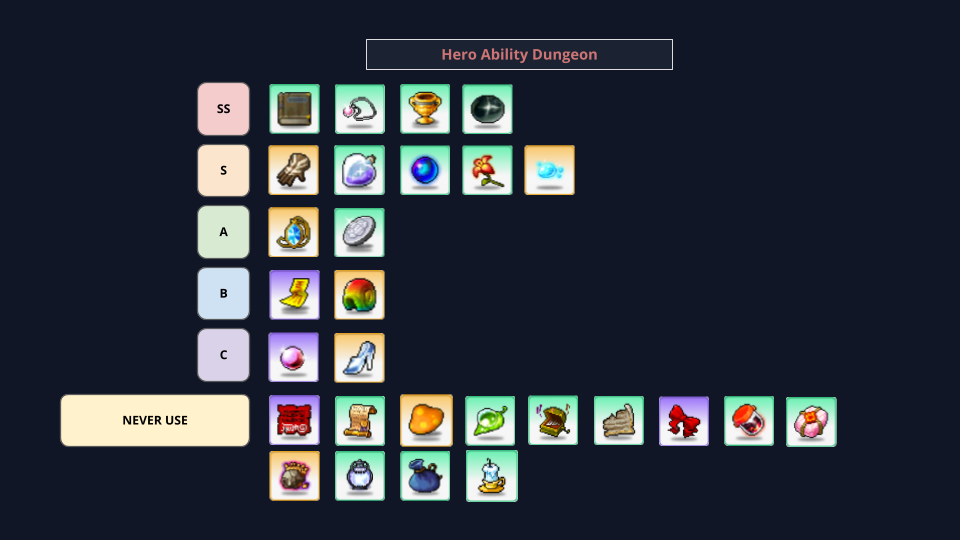
Hero Training Ground is a dungeon-style chart, not the generic Training Grounds chart.
The source comments clarified the naming because players were mixing this up with other training content. Treat this as the Orbis-style dungeon route with mobs, powerups, then a boss check.
- Use this chart for the Hero Training Ground Dungeon route only.
- Comments questioned Chalice versus Clear Spring Water, so test around your proc rate and run pattern.
- Do not reuse this image for regular Training Grounds without checking the content label.
* Book of Ancient is ranked high because it helps cap Crit Rate, but it is less effective once you already reach 100% Crit Rate without it.
Weapon Dungeon
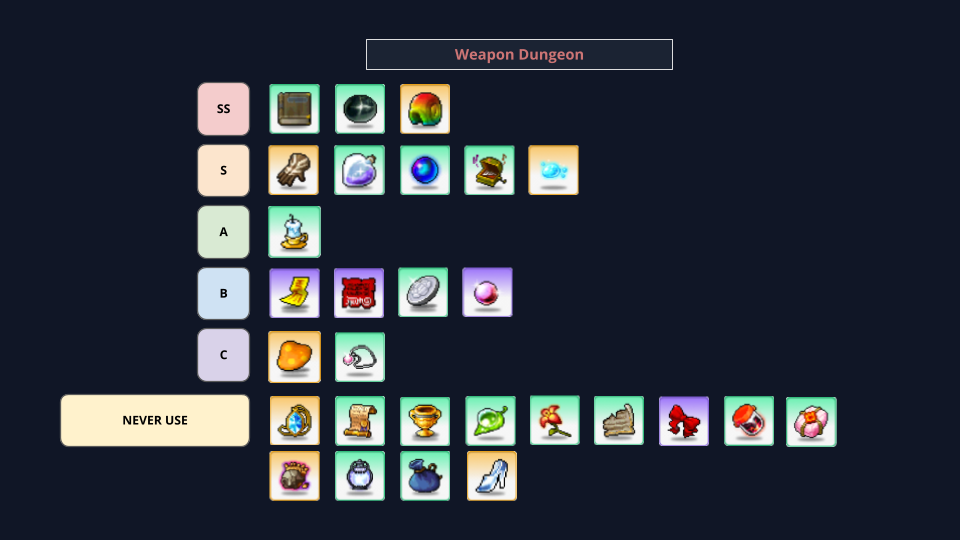
Weapon Dungeon value depends on crit state and push context.
Weapon Dungeon comments brought up Peach Pouch as a real push tool for one Bishop test, and compared Snail Shell against Clear Spring Water. The key lesson is to read artifact value against your crit rate, crit damage, and whether the run is pre- or post-level 90.
* Book of Ancient is ranked high because it helps cap Crit Rate, but it is less effective once you already reach 100% Crit Rate without it.
Training Grounds
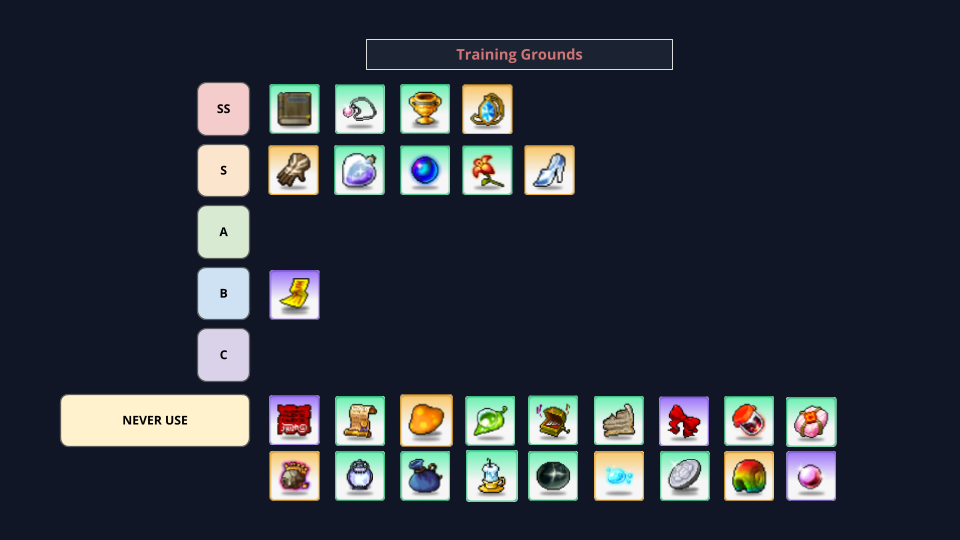
Training Grounds can make Attack Speed artifacts look better.
When players asked why Athena Gloves ranked high, Rumii pointed to Attack Speed being useful because Training Grounds already gives additional buffs. Another comment clarified that Clear Spring Water only activates in dungeon-based content, so check the exact mode before moving it into a training setup.
- Do not assume Training Grounds and Hero Training Ground Dungeon are the same artifact problem.
- Value Attack Speed differently when the mode already supplies extra buffs.
- Check whether a dungeon-only artifact actually activates in the content you are running.
* Book of Ancient is ranked high because it helps cap Crit Rate, but it is less effective once you already reach 100% Crit Rate without it.
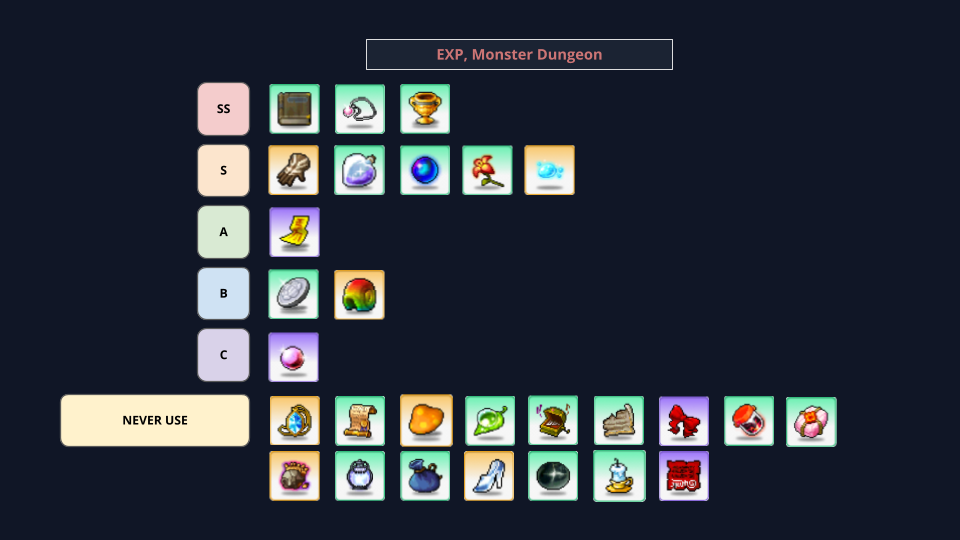
EXP/Normal Dungeon
EXP and normal dungeons need their own chart.
EXP/Normal Dungeon has its own Rumii artifact image with fewer explanatory comments in the source pull. Use it as a content-specific chart, then verify whether the artifact improves the dungeon result rather than judging from overall rank.
* Book of Ancient is ranked high because it helps cap Crit Rate, but it is less effective once you already reach 100% Crit Rate without it.
Guild War
Guild War is accuracy and boss-stack management first.
Rumii's Guild War notes say Accuracy plus Defense can be stronger than chasing Crit Rate plus Boss Damage, because boss defense and attack keep rising as you progress. The same notes call Lava Bottle plus Hexagon Necklace close to mandatory, with the last slot chosen by what your account is missing.
* Book of Ancient is ranked high because it helps cap Crit Rate, but it is less effective once you already reach 100% Crit Rate without it.
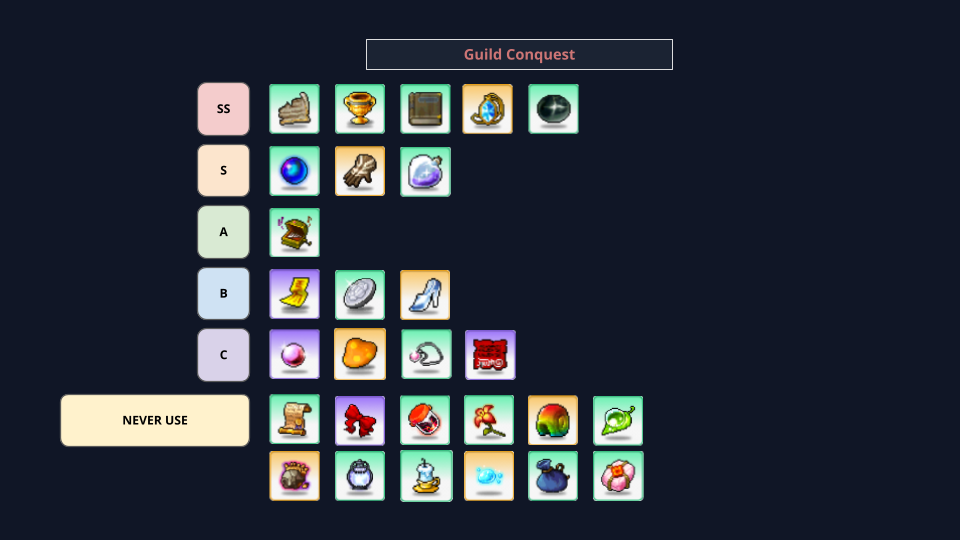
Guild Conquest
Guild Conquest has its own boss-route logic.
The Arcanus/Guild Conquest notes lean toward Shadower as the main companion unless a high-level Legendary companion beats it on the account. The example setup listed Shadower with Bowmaster, Marksman, and Night Lord subs. For relics, the notes describe using whatever is comfortable for boss fights, with Hexagon Necklace useful if your CP lets the stacks matter.
* Book of Ancient is ranked high because it helps cap Crit Rate, but it is less effective once you already reach 100% Crit Rate without it.
Guide changelog
How this page has changed.
- Overall Artifact Tier
- Chapter Hunt Artifact Tier
- Stage Breakthrough Artifact Tier
- Stage Boss Artifact Tier
- Arena Artifact Tier
- Hero Training Ground Dungeon Artifact Tier
- Weapon Dungeon Artifact Tier
- Training Grounds Artifact Tier
- EXP/Normal Dungeon Artifact Tier
- Guild War Artifact Tier
- Guild Conquest Artifact Tier
- Guild War Tips
- Arcanus Guild Conquest Tips
- MGF relic tier post
- MGF stage settings
- MekiPick relic simulator
- Mekifun artifact priority guide
- DCInside artifact awakening discussion